Técnicas artísticas. Crayón

Tabla de contenidos

Crayon or waxes

Art has always been a unique and fascinating form of expression that has evolved throughout history. One of the most popular and versatile artistic techniques is the use of crayon or waxes. In this article, we will explore this technique in detail, from its origin and history to its various applications and advanced techniques. We will also discover how to protect and preserve these works of art, as well as the outstanding artists and notable works that have emerged from this unique technique. In addition, we will explore cultural influence, associated styles, and the possibility of combining media to create works that transcend the traditional boundaries of art. From realistic drawings to colorful abstractions, crayons and crayons have been used to create a wide variety of themes and styles, giving artists endless possibilities to express their creativity. Get ready to immerse yourself in the fascinating world of art with crayon or waxes!

Origin and History

Art has been made throughout history using different materials and techniques, and one of the most popular and versatile is crayon or waxes. These instruments allow artists to create works of art with vibrant colors and great ease of use. In this section, we will explore the origin and history of this artistic technique.

Crayon, as we know it today, originated in ancient Greece in the 17th century B.C. The Greeks discovered that by mixing beeswax with pigments they could create a substance that could be molded into a cylindrical shape and used for drawing. These early waxes became known as “stick waxes.”

During the Middle Ages, stick crayons remained the main drawing technique, although their use was mainly limited to illustrated manuscripts and parchment works. It was in the Renaissance that the use of crayon began to expand, thanks to its mixing properties and the possibility of applying several colors on the same surface.

In the 18th century, French pencil maker Nicolas-Jacques Conté developed a new process for making crayons, using mixtures of clay and pigments instead of wax. These new crayons had greater heat resistance, which allowed them to be used with a “fusion” or “frottage” technique, where the tip of the crayon was heated and the color was transferred through a layer of paper.

In the nineteenth century, the technique of waxes became even more popular with the invention of color lithography. Artists began using crayons specially designed for this technique, which allowed for more precise and vibrant results.

Today, crayon is still a widely used technique in the art world. Soft, brightly colored waxes are popular with artists of all ages, from children to adults. In addition, different types of crayons have been developed, such as watercolors and hard wax crayons, which offer new creative possibilities.

As you can see, crayon or waxes have evolved throughout history, from their beginnings in ancient Greece to their current popularity. This artistic technique offers artists a wide range of colors and great versatility of use. Whether used by professionals or in recreational activities, the crayon continues to be an essential tool in the art world.

Material Composition

Crayons are a very popular and versatile artistic technique used by artists of all ages. The composition of these materials is of vital importance to achieve optimal results in works of art. Below are the main elements that make up the crayons and waxes used in the practice of fine art.

Crayons and waxes are primarily composed of color pigments, which provide the range of shades that can be used in a piece of art. These pigments can be natural or synthetic, and their choice depends on the brand of crayon. The highest quality and most durable pigments are obtained through more refined production methods, ensuring that the color remains vibrant over time.

The binders are responsible for holding the pigments together and giving the crayons the right consistency. The type and amount of binder used varies depending on the brand and style of wax. The most common binders are natural waxes, such as beeswax and carnauba wax. These waxes provide a solid and sturdy base, which allows the crayon to adhere well to the paper or canvas.

There are different types of waxes and crayons, which are classified according to their hardness. Softer waxes contain a higher proportion of binders and less pigment, giving them a creamy texture and allowing for easier application and greater color intensity. On the other hand, harder waxes contain a higher amount of pigment and fewer binders, making them more difficult to apply but providing a stronger, longer-lasting finish.

In addition to pigments, binders, and wax hardness, some crayons and waxes may contain special additives and formulations to improve their performance. These additives may include lubricants to facilitate the application of the crayon, such as glycerin, or ingredients that help protect the crayon from decomposition, such as antioxidants.

In short, crayons and waxes are fundamental tools in the practice of fine art, and their composition directly affects the quality and final appearance of a work. It is important for artists to know the elements that make up crayons and waxes in order to choose the right materials and obtain the desired results in their artistic creations.

Técnicas artísticas. Crayón

Material Preparation

The artistic technique of crayon or waxes is widely used by artists of all ages due to its versatility and ease of use. This type of material allows you to create smooth and time-resistant strokes, making it an ideal choice for those interested in fine art practice. In this section, we will explore the preparation of the material needed to use this technique, which includes choosing quality crayons and properly preparing the work surface.

The quality of the crayons is a determining factor in obtaining satisfactory results in the crayon technique. It is advisable to choose crayons from recognized brands, which guarantee a high concentration of pigments and good adhesion to the paper. Low-quality crayons can result in dull and unwieldy colors, limiting artistic expression. Additionally, it’s important to consider the lightfastness of crayons, as some colors can fade over time. Opting for crayons with a high degree of lightfastness will ensure that the final work retains its original vividness and quality.

Preparing the work surface

Before you start using crayons, it’s important to properly prepare your work surface. To do this, it is recommended to use quality paper made especially for crayon techniques. This type of paper usually has a rough texture that allows for better adhesion of the material and facilitates the application and blending of colors. In addition, the size and format of the paper will depend on the type of work you want to make, with standard A4 and A3 sizes being common.

LThe choice of quality crayons and the proper preparation of the work surface are fundamental aspects to obtain good results in the crayon technique. The use of crayons from recognized brands guarantees vibrant and long-lasting colors, while the use of proper paper ensures good adhesion of the colors and allows a better handling of the technique. With these fundamental elements, middle-aged artists interested in the practice of fine art will be able to enjoy and express themselves through the crayon technique with excellent results.

Recommended Supports

The artistic technique of crayon or waxes is one of the most popular and versatile in the world of fine art. Its practicality and the wide range of colors it offers make it an ideal tool for artists of all ages and experience levels. However, to achieve optimal results it is important to have the right supports that maximize the creative potential and durability of the work.

Drawing paper is one of the most commonly used supports for the crayon or crayon technique. It is recommended to opt for a good quality paper, of medium or high weight to prevent it from tearing or deteriorating easily. Fine-grained paper is ideal, as it allows for precise and detailed strokes. In addition, there are specific papers for crayon that have a rougher texture, which allows for better color adhesion and a more interesting effect on the final work.

Canvas is another support widely used in the crayon or wax technique. Unlike paper, canvas offers a stronger and more durable surface, allowing for larger-scale work. It is recommended to use a canvas specially prepared for the crayon technique, as it incorporates a layer of primer that prevents pigments from seeping through the fabric and affecting the quality of the work. In addition, the canvas provides a more professional finish and can be easily framed for display.

Wood board is another option to consider for the crayon or wax technique. Like paper and canvas, it is recommended to opt for a good quality wooden board that is resistant and free of imperfections that can interfere with the final result. The wooden board offers a solid and stable surface on which to work, which makes it easier to handle the waxes and allows for more precise strokes. In addition, it is a stand that can be framed in an elegant and durable way.

Application and Techniques

The application of the crayon or waxes is done directly on a surface, whether it is paper, fabric or other suitable support. When using this technique, it is recommended to keep the following guidelines in mind:

Prepare the surface: Make sure the surface is clean and free of any residue that could affect the texture or quality of the final result.

Pressure Control: Controlling the pressure exerted on the crayon or wax is essential to achieve different effects. Softer pressure will generate lighter, more delicate strokes, while firmer pressure will produce more intense and deeper strokes.

Color Layers: Crayon or waxes can be applied in layers, allowing you to create interesting textures and color blends. Applying different shades and layering will give depth and richness to the artwork.

Techniques for using crayon or waxes

There are several techniques that can be employed when using crayon or waxes on a work of art. Some of the most common include:

Blending and blending: By using crayon or waxes, it is possible to mix and blend colors to achieve a smooth transition between them. Using your fingers or specific tools for this purpose allows you to create gradient and subtle effects.

Scraping: Using a sharp object, such as a knife or scraper, it is possible to scrape or scratch the top layer of wax to reveal the color underneath. This technique is especially effective for creating textures and details.

Water: By using solvent and a brush, the artist can dissolve some of the wax to create watercolor or smudge effects. This technique allows you to create smooth transitions and add a sense of fluidity to the artwork.

AndThe crayon or waxes is a versatile and accessible artistic technique that provides a wide range of creative possibilities to artists. Its application and techniques allow for the creation of unique color and texture effects, allowing middle-aged artists interested in fine art to express their creativity effectively through this technique.

Creating Patterns and Textures

In the artistic context, a weft refers to a repeating pattern of lines, dots, or other elements that are used to create a sense of texture on a flat surface. Using patterns in a piece of art made with crayon or crayons can add depth and realism to the image.

How to create wefts with crayon or waxes?

1. Color selection: Before you start creating patterns, it’s important to select the right colors. The colors must be consistent with the object or scene being depicted and must harmonize with each other.

2. Choice of pressure: The pressure applied to the crayon or waxes will determine the intensity of the stroke and the saturation of the color. Experiment with different levels of pressure to find the desired effect.

3. Directional strokes: To create realistic patterns, it is important to use directional strokes that mimic the direction of the elements being represented. For example, if you’re drawing a tree, the strokes should follow the direction of the branches and leaves.

4. Weft density: Weft density refers to the number of elements that are placed in a given area. You can play around with different densities to create interesting texture effects. For example, a denser weft may represent a rough or rough surface, while a more widely spaced weft may indicate a smooth surface.

5. Color Blending: Once you’ve created the initial weft, you can use blending techniques to add more depth and variety to the texture. You can do this by layering different layers of color or using a smudger or cotton swab to soften the strokes.

Creating patterns and textures using the crayon or wax technique can add a new level of realism and detail to your artwork. Experiment with different techniques and colors to create unique and personal effects. Remember that consistent practice and exploration will help you master this technique and create stunning works of art. Have fun and enjoy the creative process!

Advanced Techniques

Crayon or waxes is one of the most versatile and popular materials in the world of fine arts. Its ease of use, wide range of colors and the possibility of mixing different shades, make it an invaluable tool for artists of all ages and levels of experience. In this section, we’ll explore some advanced techniques for using crayons creatively and expressively, giving middle-aged artists new ideas and approaches to their artworks.

Crayon Casting Techniques

Crayon fade is a popular technique that allows you to create soft, blurred effects in drawings. To accomplish this, you can use a hair dryer or heat gun to lightly melt the crayon onto the paper. As the crayon melts, it can blend with other colors, creating beautiful transitions and gradations. Experiment with different speeds and distances when applying heat, for unique and creative results.

Scraping and Scratching Techniques

An interesting technique for adding textures and details to your crayon drawings is scraping and scratching. To do this, you can use sharp tools such as knives, scissors, or needles to delicately scrape the surface of the paper covered with crayon. In this way, you will reveal the underlying colors and shades, creating light and shadow effects. Experiment with different angles and pressures when scraping, for surprising and unique results.

Raster and Stippling Techniques

Another advanced technique you can use with crayon is weft and stippling. Instead of applying the crayon continuously and evenly, you can create interesting effects using patterns or dots. To do this, you can use the tip of the crayon or tools like chopsticks or fine brushes to apply multiple dots or lines that overlap each other. Experiment with different patterns and weft densities, to create unique textures and visual effects in your drawings.

Color Mixing Techniques

Waxes allow for a wide range of possibilities when it comes to color mixing. An advanced technique to take advantage of this feature is the creation of custom colors and shades. You can use tools such as sponges, rags, or even your fingers to blend and blend the colors of the crayons on the paper. Experiment with different color combinations and proportions, to achieve unique and realistic effects in your artwork.

The advanced techniques of the Crayon or Wax Art Technique give middle-aged artists the opportunity to explore new creative possibilities in their artworks. Whether using fade, scrape and scratch, weft and stipple techniques, or color mixing, crayon offers a wide variety of unique effects and textures that can enhance any work of art. Experiment, play and have fun with these techniques, and discover your own artistic style.

Técnicas artísticas. Crayón

Featured Artists

The artistic technique of crayon or waxes has been used for centuries to create artwork full of color and expressiveness. In this section, we will highlight some artists who have left a significant mark on the art world using this technique. If you are passionate about fine art and are interested in meeting outstanding crayon or wax artists, you have come to the right place!

1. Salvador Dalí – The Surrealist Master

Salvador Dalí, known for his unique worldview and surrealist style, also used the crayon technique in several of his works. Through the combination of intense colors and defined lines, Dalí managed to create striking images full of symbolism. His masterpieces, such as “The Persistence of Memory,” show his mastery of the crayon technique and his ability to create surreal and dreamlike compositions.

2. Pablo Picasso – The Multifaceted Genius

Picasso, one of the most influential artists of the 20th century, also experimented with crayon and waxes in his extensive artistic career. Although he is primarily recognized for his mastery of the art of drawing and painting, Picasso also used the crayon to create works full of energy and expression. His crayon drawings, such as “Guernica” and his portraits, show his ability to convey emotions through bold lines and colors.

3. Edgar Degas – The Ballet Master

Edgar Degas, known for his focus on ballet scenes and his studies of human figures, also used the crayon technique in many of his works. Her crayon drawings capture the grace and beauty of ballerinas in motion, with soft, delicate lines. Degas used the crayon for both preliminary studies and complete works, managing to convey the elegance and passion of ballet in each stroke.

Featured Works

Outstanding works of the artistic technique Crayon or waxes

1. The persistence of memory

This iconic work by the surrealist painter Salvador Dalí, created in 1931, is undoubtedly one of the most recognized works in the history of art. The use of crayon in this work allows surreal elements to merge into a dreamlike and timeless landscape. The wax technique in this work adds a special touch to the fluidity and precise details of each element in the painting.

2. Les Demoiselles d’Avignon

Painted by Spanish artist Pablo Picasso in 1907, this masterpiece of Cubism is a milestone in the history of modern art. The use of crayons in this painting allows the fragmentation of the figures and the combination of different angles in the same image to be highlighted. The vibrant coloring achieved with the crayons adds impact and dynamism to this revolutionary work.

3. Water Approach

Made by the celebrated watercolorist Winslow Homer in 1875, this work masterfully captures the serenity and beauty of water in a natural landscape. The crayon technique allows the subtle tones and delicate textures of the water to be impressively enhanced. The details and atmosphere created with the crayons convey a sense of tranquility and a deep connection with nature.

4. The scream

This iconic work by the painter Edvard Munch, created in 1893, is considered a masterpiece of expressionism. The use of crayons in this painting highlights the intensity of the expression and the deep feeling of anguish that is conveyed. The vibrant colors and textures achieved with the waxes generate a powerful and disturbing visual impact.

The artistic technique of crayon or waxes has been used in various masterpieces throughout the history of art. From the surrealism of Salvador Dalí to the expressionism of Edvard Munch, these outstanding works demonstrate the versatility and beauty that can be achieved with this technique. Exploring and admiring these works can provide inspiration and knowledge to those interested in the practice of fine art.

Cultural Influence

The artistic technique of crayon or waxes has had a notable cultural influence throughout history. Since its invention in the 19th century, it has been widely used by artists and has contributed to the creation of masterpieces in various artistic disciplines.

An important aspect of the cultural influence of crayon is its popularity among children and young people. This technique is often the first contact that future artists have with the art world. This has led many people to develop a love for this form of expression and continue to use it in their adult lives.

In addition, crayon or waxes have influenced the way art is taught in schools. Its ease of use and attractive visual results make it a popular choice for art teachers. This has led to many generations of artists being introduced through this technique, leaving a lasting mark on their careers and their way of seeing art.

In recent decades, crayon or waxes have been adopted by contemporary artists looking to explore new forms of expression. By combining crayons with other techniques and materials, they have managed to produce innovative and exciting works of art. This influence has led to the expansion and reinvention of the crayon technique, resulting in new approaches and styles that have left a mark on the art world.

Técnicas artísticas. Crayón

Associated Styles

The artistic technique of crayon or waxes is widely recognized for its versatility and ease of use. However, beyond the simple tools used, there are different styles associated with it that allow artists to explore and express their creativity in a variety of ways.

1. Realistic Style

The realistic style in the use of crayon or crayons is characterized by precision and accuracy in the representation of reality. Artists who adhere to this style strive to capture the finest details of their subjects, achieving works that may look like photographs at first glance. A technical mastery of the crayon and excellent observation skills are necessary to obtain hyper-realistic results.

2. Impressionist Style

In contrast to the realistic style, the impressionist style concentrates on capturing the essence and atmosphere of a particular scene, using loose brushstrokes and vivid colors. In this style, the use of crayon or crayons becomes more expressive and gestural, allowing artists to convey emotions and sensations through the application of layered colors and textures.

3. Abstract Style

The abstract style in the crayon or wax technique has as its main objective the non-figurative representation of reality. Artists who embrace this style focus on the exploration of color, form, and texture, creating works that challenge traditional interpretation. Instead of depicting recognizable objects or people, abstract works with crayon or crayons are composed of shapes, lines, and colors that evoke emotions and spark the viewer’s imagination.

4. Surrealist Style

The surrealist style in the use of crayon or crayons is characterized by the depiction of scenes that defy logic and conventional reality. Through the combination of seemingly unconnected elements, surrealist artists manage to create images that invite reflection and questioning of human perception. Crayon or waxes become an ideal tool to capture the dreamlike and fantastic worlds of this style.

5. Expressionist Style

The expressionist style in the crayon or wax technique focuses on conveying emotions and moods through the distortion and exaggeration of shapes and colors. Artists who adhere to this style use crayon to create dramatic and energetic works, making use of contrasting lines and textures. The main goal is to evoke an emotional response from the viewer and communicate a message on a subjective level.

The artistic technique of crayon or waxes not only offers a wide range of creative possibilities, but different associated styles can also be explored. Whether you lean towards realism, impressionism, abstraction, surrealism or expressionism, the use of crayon or waxes will allow you to capture your artistic vision in a unique and personal way.

Media Mix

Middle-aged artists interested in the practice of fine art often seek new forms of expression and experimentation in their works. A popular and versatile artistic technique is the combination of mediums using crayons or waxes.

The media combination technique involves the integration of different materials and tools into a work of art. In the case of crayon or crayons, they can be used in conjunction with other mediums such as watercolor, oil, or colored pencils to create unique visual effects and interesting textures in an artistic piece.

Benefits of Combining Media with Crayons or Waxes

Combining mediums using crayons or waxes offers several benefits to middle-aged artists interested in fine art. These benefits include:

1. Variety of colors: Crayons are available in a wide range of colors, allowing the artist to create custom color palettes and achieve great chromatic diversity in their work.

2. Interesting textures: By combining crayons or waxes with other mediums, unique textures can be achieved in a work of art. For example, you can use crayons to add detail and sharp lines, and then mix them with watercolors to create soft, blurred effects.

3. Layerability: Using the technique of combining media with crayons or waxes, artists can overlay layers of colors to achieve effects of depth and luminosity in their work.

4. Creative experimentation: Combining media offers artists the opportunity to explore and experiment with different techniques and materials, encouraging creativity and self-expression in their artworks.

Interdisciplinarity

Using crayons with watercolors

The fusion of waxes with watercolors allows for amazing results. By applying a layer of wax on the paper and then using watercolors on top, a resistant effect is created that preserves the areas covered by the wax and highlights the colors applied with watercolors. This combination of mediums gives artists the opportunity to experiment with contrasts and textures.

Blurring and blending colors

Another interesting aspect of the interdisciplinarity of waxes is the possibility of blending and mixing colors. With the help of a smudge or even your fingers, it is possible to create smooth and subtle transitions between tones, achieving gradients or gradients that add depth and volume to works of art. This aspect is especially attractive for those looking to create realistic effects in their compositions.

Using crayons with pencil

The combination of crayons with pencil allows precise details to be made and certain elements in drawings to be enhanced. By using crayons as a base and then working with pencil on top, certain aspects such as shadows, textures or fine lines can be highlighted, adding greater definition and detail to the work of art.

Creating Textures and Special Effects

The versatility of waxes also becomes apparent when combined with other techniques to create textures and special effects. By scratching, rubbing, or applying layers of wax irregularly, unique results can be obtained that add a tactile dimension to artwork. This interdisciplinarity offers middle-aged artists a creative way to experiment with different techniques in their creations.

Técnicas artísticas. Crayón

Types of Drawings and Themes

Contour Drawing:

One of the most common types of drawings that can be made using the crayon or wax technique is contour drawing. This style of drawing is based on precise and defined delineations of objects, highlighting their shapes and contours. Crayons or waxes allow for a smooth, controllable stroke, making it easier to create precise lines and sharpness in details.

Landscape Drawing:

The crayon or wax technique is also ideal for landscape rendering. With the possibility of mixing the colors of the waxes, a wide range of shades can be achieved that allow you to recreate the variety of colors present in nature. These colors can be combined and blurred to create realistic effects and capture the beauty of landscapes in great detail.

Portrait Drawing:

Another popular type of drawing using waxes or crayon is portrait drawing. This technique allows you to capture a person’s facial expression and details accurately. The colors of the crayon offer the possibility of achieving a realistic representation of the skin, creating subtle shadows and hues that highlight individual features and characteristics.

Themes of the artistic technique Crayon or Crayons

Nature:

The theme of nature is very common in art with crayon or waxes. The versatility of these tools allows you to recreate the beauty of natural landscapes, animals and plants in great detail. From leafy trees and vibrant flowers to exotic animals, the crayon technique brings nature to life on paper.

Portrait:

The crayon technique is highly appreciated in the creation of portraits. With the possibility of achieving unique textures and tonalities, portraits made with crayons capture the essence of the people portrayed and highlight their individual characteristics. From realistic portraits to more abstract styles, this technique offers a wide range of possibilities for depicting the human face.

Abstract art:

The crayon technique also finds its place in abstract art. The different colors and textures that can be achieved with waxes allow the creation of abstract compositions full of creativity and expression. Soft strokes and rich colors combine to create abstract works that convey emotions and meanings without literal representation.

Styles and Finishes

The realistic style

One of the most common and appreciated styles in the crayon technique is the realistic one. Artists looking to recreate objects, people, or landscapes with precision and detail will find in crayon a reliable ally. This technique allows for soft shadows, minute details, and vibrant colors, creating a faithful representation of reality.

Layering technique

To achieve a realistic crayon finish, it is advisable to use the layering technique. This involves applying soft, translucent layers of color onto the paper, allowing the different shades to blend and overlap. This method allows you to achieve smooth gradations and create depth effects, improving the precision and realism of the final work.

Details and textures

The crayon is also great for capturing fine details and textures in a work of art. With the right tip and careful technique, it is possible to draw hair, wrinkles, fabric textures and other elements that add realism and life to the work. Crayons of different hardness can be used for this purpose, allowing greater control over color intensity and pressure when drawing.

The expressionist style

Aside from the realistic style, crayon is also highly effective in creating artwork with a more expressionist approach. This style is characterized by the use of bolder, more abstract strokes and colors, which convey emotions and capture the essence of a subject without necessarily following an accurate representation.

Energetic strokes

In expressionist style, loose, energetic strokes are key. The use of wide-tipped crayons and the liberated movement of the wrist allow for the creation of dynamic, gestural lines that add movement and vibrancy to the artwork. Vibrant and contrasting colors are also fundamental elements in this style, as they help to convey the emotions and energy that the artist seeks to express.

Experimentation and combination of techniques

Crayon is a versatile technique that lends itself to experimentation and combination with other artistic techniques. Artists interested in the expressionist style can use crayon in combination with watercolor, pastels, or even mixed media to create unique and striking effects. Freedom of expression and creativity are the pillars of this style, so there are no limits to the possibilities that can be explored.

Artistic Portraits of Boys invites you to immerse yourself in the world of portrait drawing, helping you bring life and emotion to your artwork while mastering essential skills in realistic portraiture.
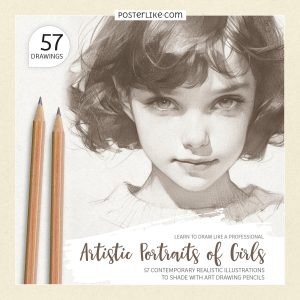
Artistic Portraits of Girls invites you to immerse yourself in the world of realistic portrait drawing. Discover how to bring life and personality to your artwork while developing technical skills and artistic sensibility.
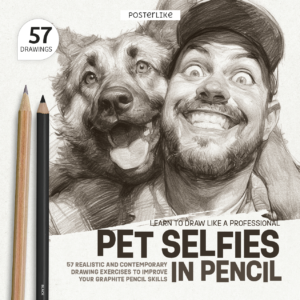
Pet Selfies in Pencil invites you to combine portrait and animal drawing in a fun and engaging way, helping you master lifelike depictions of shared moments. Whether you’re a beginner or an experienced artist, this book offers a creative and educational journey into expressive portraiture.
Whether you’re a beginner exploring how to draw people or an experienced artist refining your craft, “Picturesque Men Portraits” offers a structured approach to advancing your skills. This workbook is perfect for self-taught artists, students, and professionals, making it an excellent gift for anyone passionate about portrait drawing.
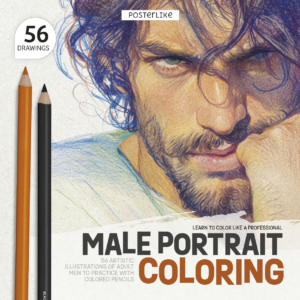
Whether you’re a hobbyist, art student, or professional artist, “Male Portrait Coloring” provides a structured yet creative pathway to mastering lifelike portraits. Bring your artistic vision to life and enjoy the satisfaction of creating expressive, impactful artworks.
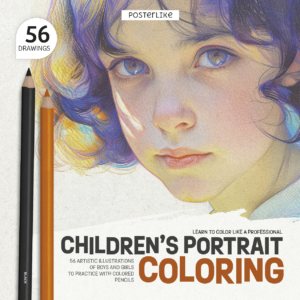
Perfect for hobbyists, art students, and professionals, “Children’s Portraits Coloring” goes beyond simple coloring to provide an immersive learning experience. Let this workbook inspire you to create lifelike, expressive portraits while mastering the use of colored pencils.
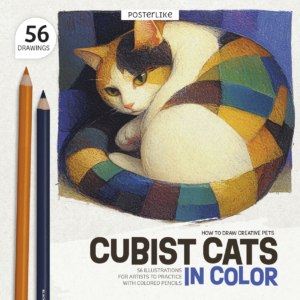
Whether you’re a cat lover, an art enthusiast, or someone looking for a unique gift, “Cubist Cats in Color” delivers both inspiration and satisfaction. This is more than a coloring book—it’s a gateway to vibrant creativity and artistic exploration.
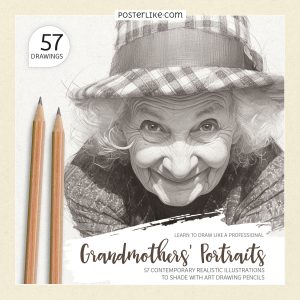
Grandmothers’ Portraits is more than a drawing guide—it’s a celebration of life’s experiences and expressions captured through art. Whether you’re a beginner or an experienced artist, this workbook offers a creative and enriching journey into realistic portrait drawing.
Urban Tribes to Draw is more than a drawing guide—it’s a celebration of individuality and creativity in portraiture. Whether you’re drawing for personal growth or adding depth to your portfolio, this workbook provides the tools and inspiration to push artistic boundaries.
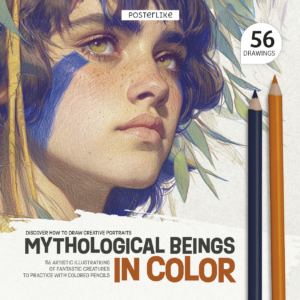
Whether you’re an art student, hobbyist, or professional, “Mythological Beings in Color” invites you to dive into the world of fantasy art. Enhance your artistic skills while discovering the magic of mythology, and create lifelike, expressive illustrations of legendary beings.
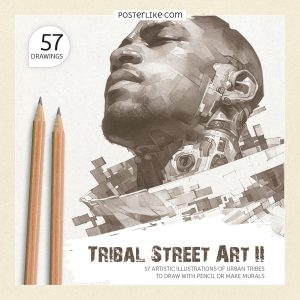
Tribal Street Art II is more than just a drawing guide; it’s a stepping stone into the dynamic world of urban portrait art. With its rich variety of subcultural themes and advanced drawing exercises, this workbook helps you push creative boundaries and refine your artistic style.
Whether you want to deepen your knowledge of feline breeds or enhance your skills in realistic drawing, “Cat Breeds Coloring” is a versatile and creative tool. Let this book bring the essence of the art studio into your hands, helping you achieve stunning results in no time.