Sanguina. La técnica artística

Tabla de contenidos

Sanguine

Sanguina: The artistic technique that dazzles with its beauty and sophistication

The sanguine technique is one of the oldest and most revered in the art world. Used since ancient times, its history dates back to classical Greece, where artists such as Leonardo da Vinci and Michelangelo used it to create works of great visual impact.

In this article, we’ll explore all aspects of the sanguine technique, from its origin and history to the advanced techniques and cultural influence it has had over the centuries. We will discover how the material is composed, its preparation and the recommended supports to apply it, as well as the different techniques to create surprising patterns and textures.

We will also explore the combination of media and the interdisciplinarity of sanguine, as well as its associated styles, types of drawings, and most common themes. In addition, we will analyze the work of some outstanding artists who have mastered this technique and the most emblematic works they have created.

Whether you’re an art aficionado or an artist looking for new forms of expression, this article will guide you through the sanguine technique, giving you everything you need to know to master this technique and unleash your creativity in your own creations.
Origin and History

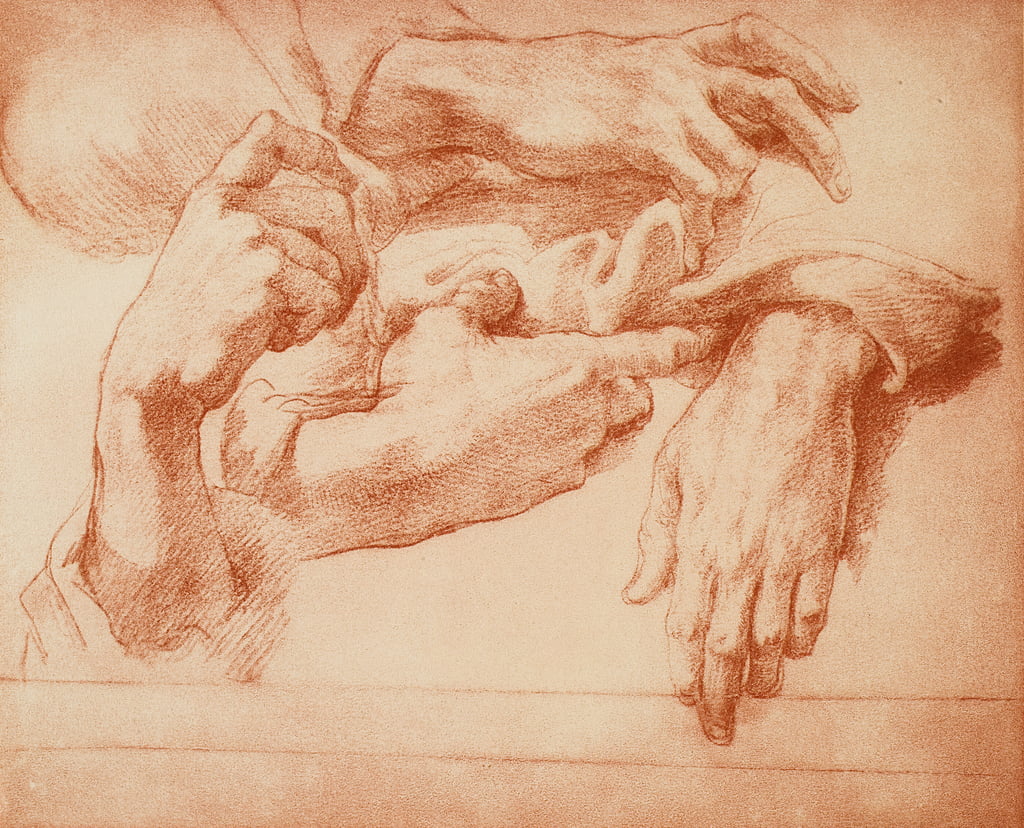
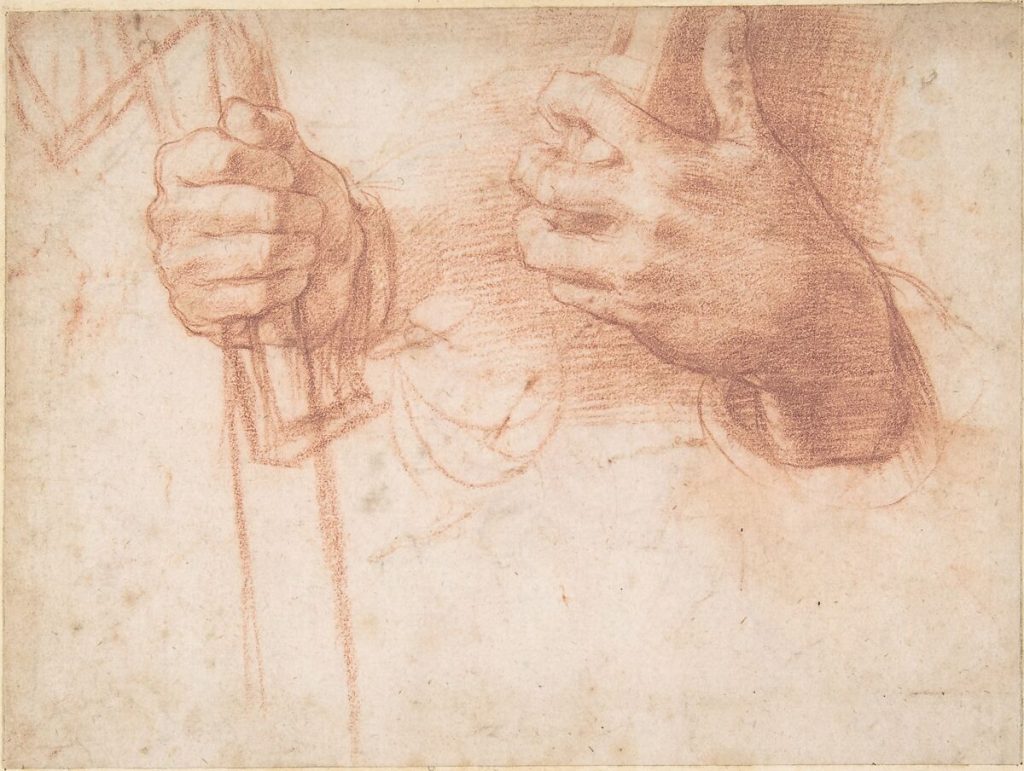
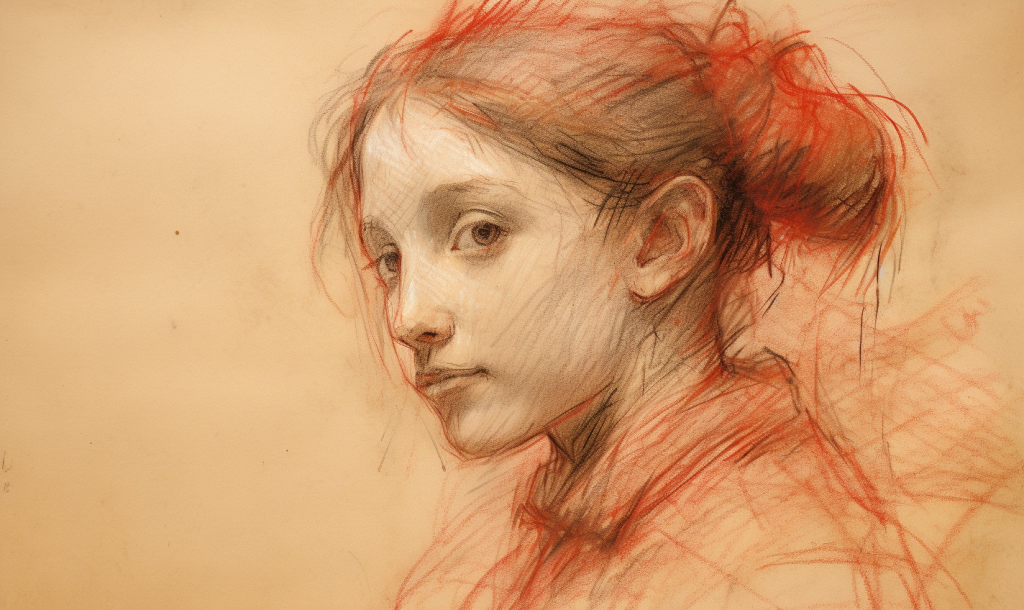
The artistic technique of sanguine has a very ancient origin that dates back to the Renaissance era. Used mainly in drawing, sanguine is distinguished by its reddish tone, which comes from the pigment of sanguine earth or hematite, a reddish mineral that has been used since ancient times for its consistency and ease of manipulation.

Throughout history, sanguine has been used by numerous renowned artists, such as Leonardo da Vinci, Raphael and Michelangelo, who used it to sketch sketches and preparatory studies for their masterpieces. Its popularity continued in the following centuries, being used by artists such as Jean-Antoine Watteau and Jean-Honoré Fragonard in the 18th century, and by artists of the Neoclassical and Romantic movement in the 19th century.

Today, the sanguine technique is still valued for its particularity and versatility in the practice of fine arts. Although its use has decreased compared to other mediums, such as charcoal or pencil, sanguine is still prized for its ability to create soft and warm tones, as well as for its durability over time.

For middle-aged artists and hobbyists interested in the practice of fine art, the sanguine technique offers an opportunity to experiment with a traditional and timeless medium that has been cherished over the centuries. Its rich history and artistic applications make sanguine an attractive and valuable option for those who wish to hone their skills in drawing and artistic representation.

Sanguina. La técnica artística

Material Composition

The artistic technique of sanguine is one of the oldest and most appreciated in the art world. Mainly used in drawing and painting, sanguine is noted for its ability to create soft and delicate tones, as well as its warm and earthy appearance.

The composition of the material used in the sanguine technique is essential to obtain the best results. Traditional sanguine is made from red iron oxide, which gives it its characteristic color and softness to the touch. This composition allows you to create smooth strokes and subtle tonal gradations, making it an ideal tool for portraits, landscapes, and still lifes.

In addition to red iron oxide, sanguine can also be composed of other natural pigments such as copper or manganese oxide, providing a wider range of shades and hues. These pigments are mixed with natural binders such as gum arabic or shellac, ensuring durability and adhesion of the material to the work surface.

Today, there are also modern versions of sanguine, which use synthetic pigments and artificial binders. While these options offer a greater variety of colors and textures, many artists prefer to continue using traditional materials for their authenticity and quality.

In short, the material composition of the sanguine art technique is crucial for high-quality results. Whether you opt for traditional sanguine or its modern versions, it is important to know the composition of the materials used and experiment with them to discover their creative potential in the art world.

Material Preparation

The preparation of the material is a crucial aspect in the practice of the artistic technique of sanguine. This technique, which consists of using pencils, sticks or red or sepia powder on paper, requires a correct preparation of the material so that the final result is satisfactory.

First of all, it is important to select the right type of paper for the sanguine technique. High-quality paper with a smooth texture and adequate absorption capacity will be the best choice for optimal results. In addition, it is recommended to prepare the paper by applying a layer of fixative to prevent the pigment from dispersing and adhering correctly to the support.

On the other hand, the choice of pencils, sticks or blood powder is also crucial to obtain professional results. It is recommended to use high-quality materials that allow good pigmentation and uniform application on paper.

The sanguine technique also requires the preparation of a limited color palette, since sanguine is characterized by its reddish or sepia hue. Therefore, it is important to select the right complementary colors that allow you to create contrasts and nuances in the work.

Sanguina. Técnica artística

Recommended Supports

For this technique, it is recommended to use high-quality paper, preferably with a soft texture that allows a good grip on the material and an even distribution of color. Fine-grained paper is ideal for achieving a smooth, detailed finish, while medium-grain paper can bring a more attractive texture to your work.

Another recommended support for sanguine is earth-colored cardboard, which provides a warm and complementary background to the color of the technique. This type of support can add depth and contrast to works, giving them a richer and more visually appealing look.

In addition, larger supports are also recommended for sanguine, as they allow the work to be enriched with greater detail and expressiveness. Canvas or wood panels are ideal options for larger-scale works, as they provide a strong and durable surface.

Application and Techniques

The application of sanguine can be done in different ways, depending on the effect you want to achieve. It can be used for sketching and preparatory studies, applying thin layers of color to achieve subtle and delicate effects. You can also work with the sanguine in a more expressive and gestural way, applying thicker layers and leaving the brushstrokes or strokes of the pencil visible.

In addition, there are various techniques for working with sanguine that allow the creative and expressive possibilities of the artist to be expanded. Some of these techniques include smudging with paper or brush, using washes to create light and shadow effects, and employing lines and textures to add detail and depth to the work.

Today, the sanguine technique is still used by artists all over the world, both in the field of painting and drawing. Its versatility and chromatic richness make it an indispensable tool for those looking to explore the expressive possibilities of fine art.

Advanced Techniques

Although traditionally used for sketches and preparatory studies, it has now gained popularity as an artistic technique in its own right, allowing artists to create works of great beauty and delicacy.

In this sense, the advanced techniques of the Sanguine artistic technique offer artists the possibility of exploring new creative and expressive possibilities. With mastery of this technique, artists can achieve light and shadow effects, as well as a wide range of shades and textures, creating works with great visual and emotional impact. In addition, the possibilities of combining it with other techniques and materials, such as graphite, charcoal or watercolour, further expand the range of creative possibilities.

To achieve an advanced mastery of the Sanguina artistic technique, knowledge and practice of the different tools and materials, as well as an understanding of the principles of drawing and composition, are essential. In addition, experimentation and exploration of new ways of application and manipulation of Sanguina crayon are key to obtaining surprising and original results.

Protection of the Work

Given the delicacy and fragility of works made with sanguine, it is crucial to protect them properly to ensure their conservation over time. To do this, it is advisable to use quality glass to frame the works and protect them from direct sunlight, humidity and dust. In addition, it is important to handle them with care, avoiding touching the surface with bare hands and using soft tools for cleaning and maintenance.

Sanguina. Técnica artística

Featured Artists

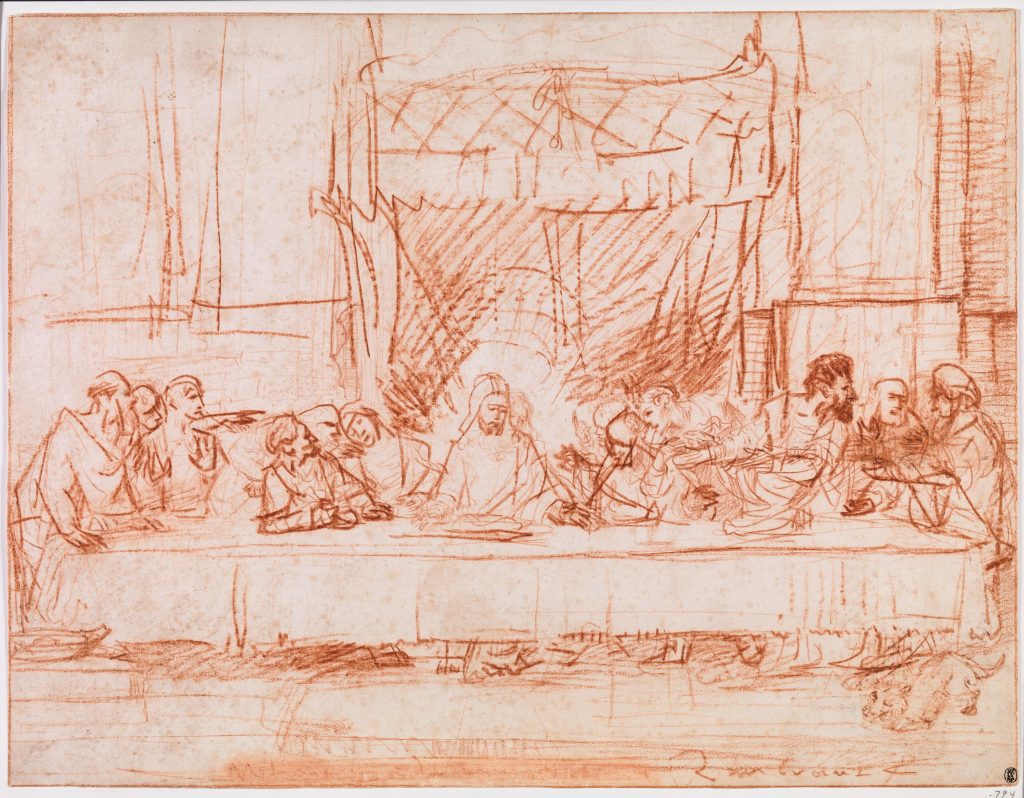
Among the prominent artists who have used the Sanguine technique are great masters of art such as Leonardo da Vinci, Raphael Sanzio and Rembrandt. These artists have demonstrated the versatility of Sanguine by using it in portraits, landscapes and historical scenes, managing to convey a deep sense of atmosphere and emotion in their works.

The Sanguine technique has remained relevant in contemporary art, with artists such as Jean-Pierre Saint-Ours, Katya Gridneva and David Kassan using this technique to create stunning works of art that demonstrate their mastery of the technique and their ability to convey emotions through it.

For those interested in the practice of fine art, the Sanguine technique can provide an exciting and rewarding challenge. The combination of red and black pencils on cream paper allows artists to explore a wide range of shades and hues, giving them the opportunity to create artwork with exceptional beauty and depth.

Cultural Influence

This technique has been widely used by renowned artists, such as Leonardo da Vinci, Raphael, Michelangelo, and Rembrandt, who employed it to create masterpieces that have stood the test of time. Sanguine has been considered a fundamental tool in the study of the anatomy, expression and beauty of the human body.

The cultural influence of sanguine extends beyond the artistic realm, impacting other disciplines such as medicine, art history, and art education. Its use in the teaching of fine art has allowed students to develop observational, tracing, and compositional skills, as well as a deeper understanding of the human form and its artistic representation.

The sanguine technique is a cultural legacy that has endured over the centuries, and its influence on fine art continues to be relevant today. Its tradition and aesthetic richness make it an invaluable tool for those looking to explore beauty and expression through art.

Sanguina. Técnica artística

Associated Styles

Within the wide range of styles associated with the sanguine technique, different approaches can be seen used by artists to express their creativity. From classical realism to contemporary abstraction, the use of sanguine has allowed artists to explore a wide range of styles and techniques.

Within the framework of classical realism, sanguine has been used to represent the human figure with a high degree of precision and detail, creating works of great visual impact that capture the beauty and grace of the human body. On the other hand, in the realm of abstraction, sanguine has been used to explore new forms of artistic expression, creating works that challenge the boundaries of traditional perception and representation.

For the public interested in fine arts, knowledge of the different styles associated with the sanguine technique can be very useful when it comes to appreciating and understanding the artistic diversity that this technique can offer. Whether as an amateur or as an artist in training, the study of the styles associated with sanguine offers a broad and enriching vision of the artistic possibilities that this technique can offer.

Media Mix

The combination of media in the Sanguine technique offers an exceptional opportunity to explore new creative possibilities. By combining colored pencils, charcoal, pastel chalks, watercolors, and other drawing and painting techniques, artists can achieve a wide range of visual and emotional effects in their works.

The combination of mediums in the Sanguine technique also allows artists to experiment with different textures and finishes, giving them the freedom to express their creativity more fully. By combining dry and wet media, artists can create artwork that surprises and delights viewers, adding depth and richness to their works.

Sanguina. Técnica artística

Types of Drawings and Themes

Within the sanguine technique, there are different types of drawings that can be made, depending on the approach you want to give and the theme you want to represent. Some of the most common types of drawings are:

Portraits: sanguine is particularly suitable for the representation of human faces and figures, as it allows for warm and delicate tones that enhance the beauty and expression of the portrayed.

Landscapes: thanks to its ability to obtain soft and blurred tones, sanguine is ideal for the representation of landscapes, both urban and natural, and allows you to capture the atmosphere and light in a very suggestive way.

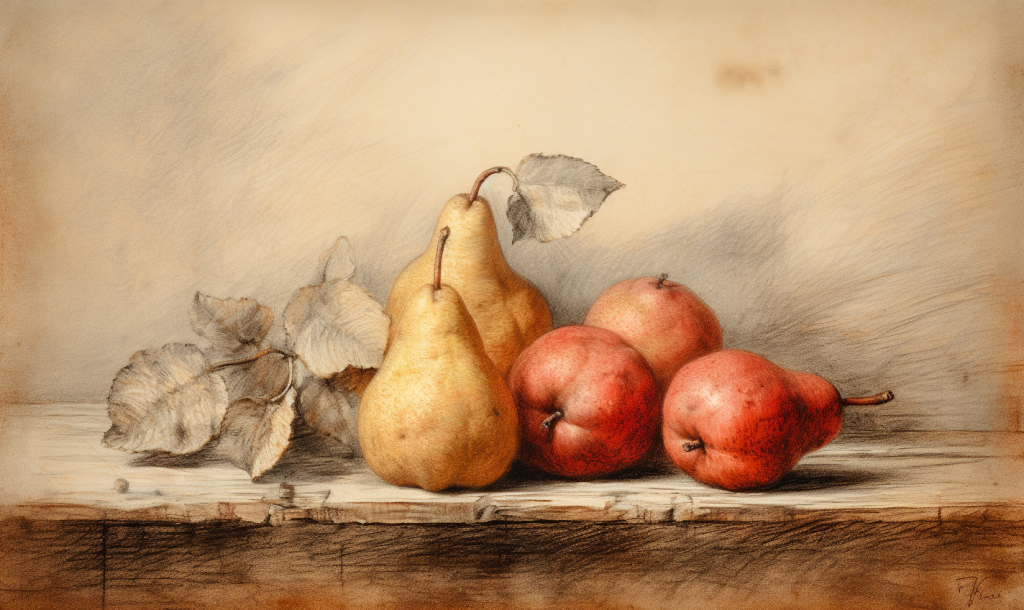
Still lifes: sanguine is also widely used for the representation of inanimate objects, thanks to its ability to recreate textures and volumes in a very realistic way.

Perfect for self-taught artists, students, or hobbyists, “Cubist Dogs in Color” combines classical teaching methods with modern creativity. Let this book guide you as you explore the vibrant world of cubist art and develop your unique artistic voice.
Urban Tribes to Draw is more than a drawing guide—it’s a celebration of individuality and creativity in portraiture. Whether you’re drawing for personal growth or adding depth to your portfolio, this workbook provides the tools and inspiration to push artistic boundaries.
Whether you’re a hobbyist, art student, or professional, “Fauvist Dogs in Color” will ignite your creativity and expand your artistic repertoire. Let this workbook inspire you to experiment with colors, textures, and innovative techniques, creating expressive and vibrant artworks.
Perfect for hobbyists, art students, and professionals, “Children’s Portraits Coloring” goes beyond simple coloring to provide an immersive learning experience. Let this workbook inspire you to create lifelike, expressive portraits while mastering the use of colored pencils.
Whether you’re an art student, hobbyist, or professional artist, “Portraits of Women” provides a structured yet creative pathway to mastering lifelike portraiture. This workbook is ideal for self-taught artists, students, and educators, making it a valuable addition to your artistic library.
Whether you’re a beginner exploring how to draw people or an experienced artist refining your craft, “Picturesque Men Portraits” offers a structured approach to advancing your skills. This workbook is perfect for self-taught artists, students, and professionals, making it an excellent gift for anyone passionate about portrait drawing.
Perfect for art schools, hobbyists, and professionals, “Dog Breeds Coloring” combines classical methods with modern tools to enhance your skills. This book is ideal for anyone looking to capture the essence of dogs with artistic precision and create stunning, realistic illustrations.
Grandfathers’ Portraits invites you to explore the depth and beauty of elderly male faces while developing your technical and creative skills. This workbook is more than a collection of images—it’s a gateway to mastering expressive portraiture and connecting with the stories conveyed by each face.
Whether you’re an art student, hobbyist, or professional, “Mythological Beings in Color” invites you to dive into the world of fantasy art. Enhance your artistic skills while discovering the magic of mythology, and create lifelike, expressive illustrations of legendary beings.
Tribal Street Art II is more than just a drawing guide; it’s a stepping stone into the dynamic world of urban portrait art. With its rich variety of subcultural themes and advanced drawing exercises, this workbook helps you push creative boundaries and refine your artistic style.
Artistic Portraits of Boys invites you to immerse yourself in the world of portrait drawing, helping you bring life and emotion to your artwork while mastering essential skills in realistic portraiture.
Whether you’re a budding urban sketcher, an art student, or a professional seeking inspiration, “Sketching the Urban World” is a comprehensive resource. This book will help you capture the beauty of architectural subjects with confidence, transforming simple sketches into professional-looking artwork.